
In this blog, you will learn:
What a Carpenter is.
What the responsibilities of a Carpenter are.
What qualifications a Carpenter needs.
What skills a Carpenter needs.
Who employs a Carpenter.
Where the latest Carpenter jobs are and how to apply for them.
What is the role of a Carpenter?
A Carpenter uses different types of wood to design, cut and build furniture and fittings such as staircases, door frames and cabinets.
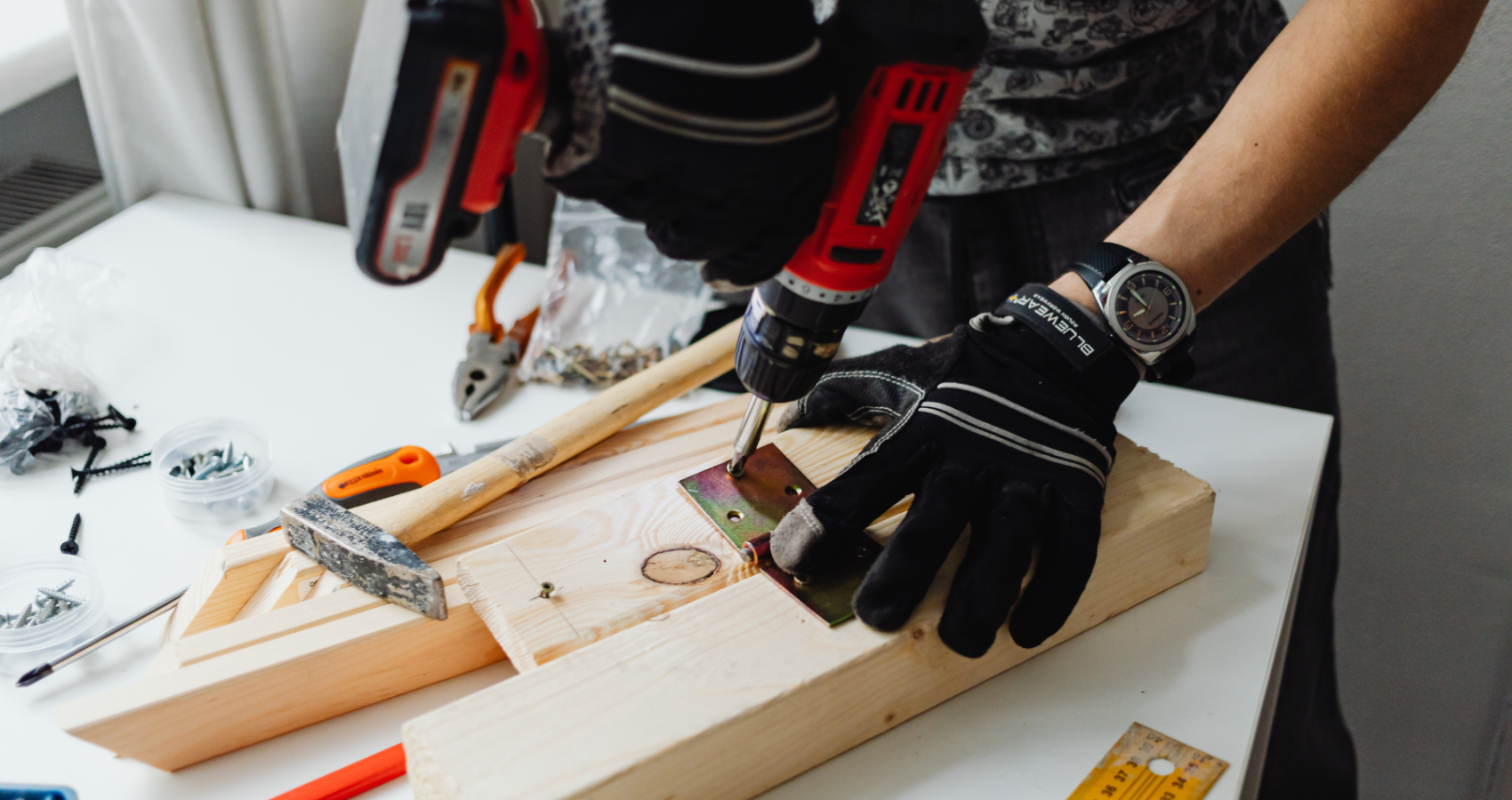
In order to complete work to a high standard, a Carpenter will have to use a variety of different hand tools such as hammers, drills and saws.
Generally, a Carpenter will work on site; building and constructing furniture in the location it will be fitted, in a clients house or in a workshop.
Softwood is frequently used by Carpenters to construct structures like doors and window frames as it is much denser than hardwood and therefore adheres to the design principle of form-meets-function.
What are the responsibilities of a Carpenter?
While working as a Carpenter, you will be required to:
Measure the materials needed to complete a project.
Mark up and cut materials needed to complete a project.
Follow instructions on technical drawings.
Understand the features and uses of different types of wood.
Liaise with clients and other tradespeople to complete projects.
Source the correct quantity of wood and other materials required.
Quality check wood and other materials for defects.
Install fixtures and fittings including hinges and door handles.
Work outdoors in a variety of weather conditions.
Interpret architectural designs to meet specifications.
What qualifications does a Carpenter need?
In order for a Carpenter to practise their trade, different employers may have different entry requirements.
Five GCSEs, including Maths and English will allow an aspiring Carpenter to obtain a position as a Junior Carpenter.
College courses are also available and provide the opportunity to gain a level 1, 2 or 3 National Vocational Qualification.
If gaining work experience as part of an apprenticeship appeals more to you, then an intermediate or advanced apprenticeship in carpentry or joinery will equip you with the skills and experience required to become a Carpenter.
To pursue a senior role within the industry, a Diploma in Bench Joinery or Carpentry and Joinery is most desirable to an employer.
When completing an apprenticeship, you will have the option to do this on a part time or full time basis, however bear in mind that a part time apprenticeship can take up to six years to complete.
What skills does a Carpenter need?
Key skills of a Carpenter include:
Good attention to detail to ensure work is detailed and finished to a high standard.
Good physical fitness to carry heavy materials and tools.
Knowledge of health and safety to ensure regulations are met at all times.
Good communication to effectively liaise with clients and other tradespeople.
Knowledge of general construction and building regulations to ensure they are adhered to at all times.
Good time management to complete projects in a timely manner.
A good understanding of Maths to work out the measurements and equations needed to complete a project.
The ability to take initiative and work alone.
Flexibility to take on last minute projects and deal with last minute requests that clients may make.
Confidence to use different tools and materials on a daily basis.
Who employs a Carpenter?
There are a few different ways a Carpenter can be employed.
Some will choose to work for councils or subcontractors to complete work on projects they have been assigned to with other tradespeople.
Others may prefer to have more control over the type of work they undertake and will opt to be self-employed. This means they will liaise directly with their own clients and decide their own working hours.
Construction companies are also a potential employer for a Carpenter.