
By Sophie Payne
In this blog, you will learn:
How to build relationships with children in care.
Why it is important to build relationships with children in care.
The long-term impact of building positive relationships for children in care.
Where the latest children's residential home jobs are and how to apply for them.
According to GOV.UK there are 81,770 children in care, many who have experienced instability, trauma or broken trust with adults. This makes building relationships with children in care essential to support their emotional health, development and future relationships.
Positive, stable relationships with residential workers can help children rebuild trust, feel valued and develop emotional resilience.
Strong relationships also allow staff to better understand each child’s individual needs, support their growth and help break cycles of instability.
When children feel heard, seen and respected, they are more likely to engage positively with those around them and develop confidence in themselves and others.
In this blog, we’re uncovering how residential workers can build relationships with children in care and the long-term positive impact these relationships can have on their lives.
How to build relationships with children in care
To build relationships with children in care you must:
Be consistent and reliable.
Have good communication and listening skills.
Show genuine care, respect and empathy.
Create safety and stability.
Empower children and involve them in decisions.
Maintain professional boundaries.
Be consistent and reliable
Being consistent and reliable helps children to feel safe and be able to trust adults. Many children in care face huge instability and insecurity, therefore having predictable routines, adults who follow through with what they say and familiar staff are essential.
Consistent and reliable relationships with even just one adult can make a huge difference for children and young adults who’ve experienced trauma or abuse. When children know what they can expect from residential workers it can reduce anxiety and build trust.
Have good communication and listening skills
Clear and calm communication can help children feel understood and respected, and when they feel like they are being listened to and taken seriously, they are more likely to build trust.
Children in care might not have experienced safe and positive communication with adults and this can impact how they respond to authoritativeness and relationships.
To help them overcome this, residential workers need to actively listen, involve children in their decisions and acknowledge that their feelings and experiences are valid. This way, children can gradually build trust over time.
Show genuine care, respect and empathy
Showing genuine care, respect and empathy is essential to building positive relationships with children in care, because children build relationships when they feel valued as individuals. Treating children as valued individuals and understanding their feelings helps them feel safe, supported and respected.
Residential workers should support a child's emotional wellbeing and rebuild their confidence, especially if it has been affected by past experiences. Showing interest in children’s lives, celebrating their achievements and being emotionally available can help to strengthen relationships.
Over time, small but consistent steps will help the child build trust, feel more confident and encourage positive behaviour.
Create safety and stability
Having a safe and stable environment gives children in care the space to relax and start forming healthy relationships. This means both emotional safety, where they don’t feel judged or rejected, and physical safety, such as secure surroundings, privacy and personal space.
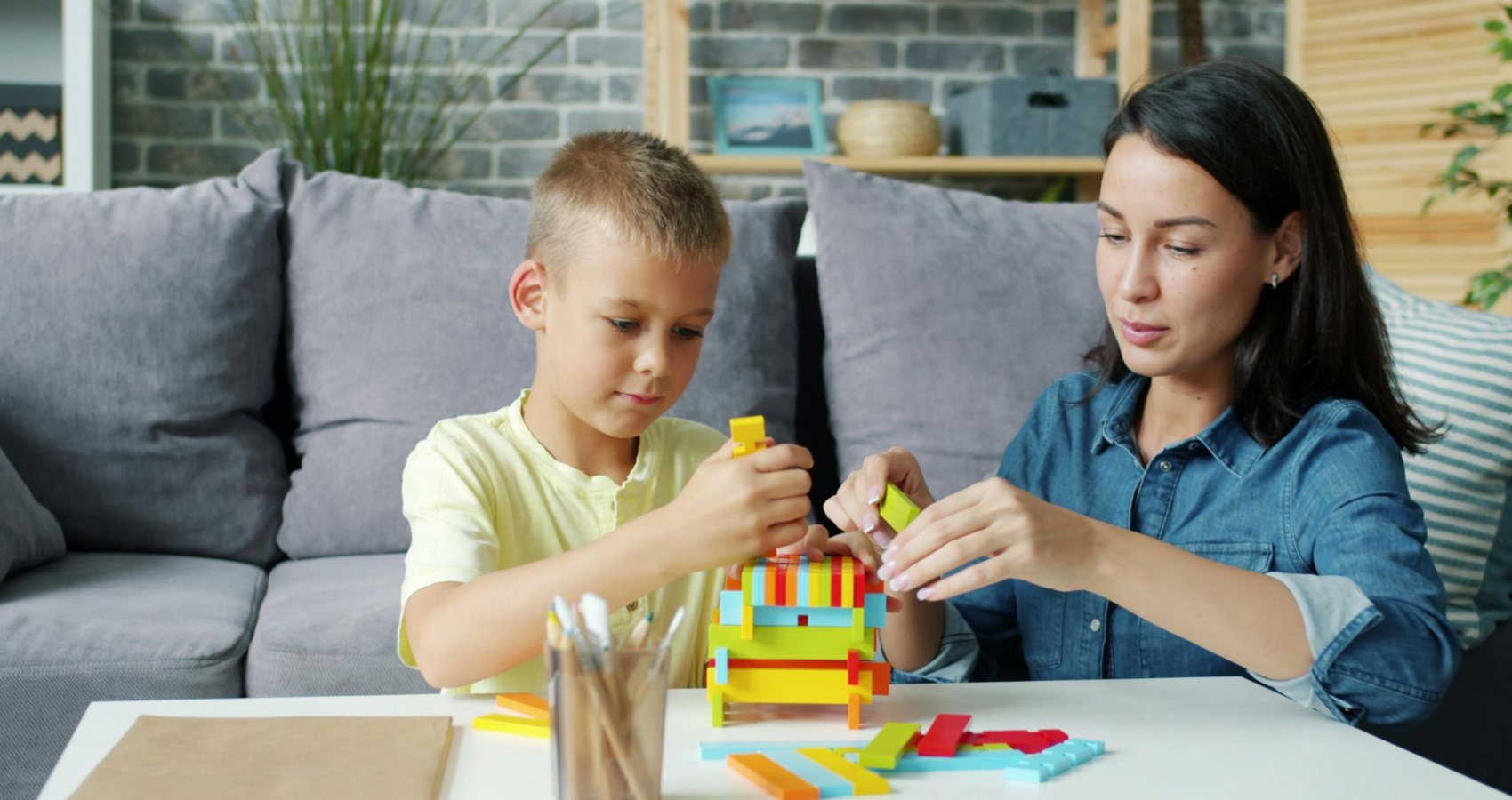
Residential workers can support this by creating family-like routines and shared activities, such as cooking meals together, playing games or taking part in outdoor activities, as well as maintaining clear and consistent boundaries.
When children feel safe in these ways, they are more likely to trust the adults around them and create positive relationships with staff.
Empower children and involve them in decisions
Children are more likely to build stronger relationships with residential workers when their voice is empowered and they are given control over their day. Letting them make decisions about activities or routines in the home shows that their opinions are valued and respected.
Giving children responsibilities such as helping to plan meals, choosing group activities or giving ideas for the home environment can also help them feel included. When residential workers genuinely involve children in these ways, it strengthens trust and builds their confidence.
Maintain professional boundaries
Whilst building relationships with children in care is important, it is also essential that they are professional and safe. Residential workers need to be emotionally available whilst maintaining clear boundaries to protect both themselves and the child.
This includes understanding the child’s background and emotional barriers and seeking support if relationships risk becoming inappropriate. Having professional boundaries in place can help children feel safer and more secure.
What is the long-term impact of building positive relationships for children in care?
Building positive relationships with children in care can have a huge positive impact on their emotional, social and psychological development. Doing so can help them develop healthy attachment patterns and improve their self esteem.
As a result, they are supported with the confidence to build and maintain healthy relationships both in their childhood and when they reach adulthood.
Children's residential home recruitment specialists
As specialist recruiters, we support children's residential homes nationwide with their temporary, interim and permanent staffing needs. We supply experienced professionals across multiple roles including support workers, team leaders and registered managers to ensure safe, high-quality care for children and young people.
If you're struggling to recruit the right talent, simply request a call back and one of our experienced recruiters will contact you to discuss how we can help.
Looking for your next children's residential home job? Either search the latest jobs or upload your CV and one of our consultants will be in touch when a suitable opportunity arises.