
In this blog, you will learn:
- How to encourage a positive relationship between secondary school students and Teachers.
- Why it is important to encourage positive relationships between secondary students and Teachers.
How to manage conflict between secondary students and Teachers.
About the education recruitment services available to your school.
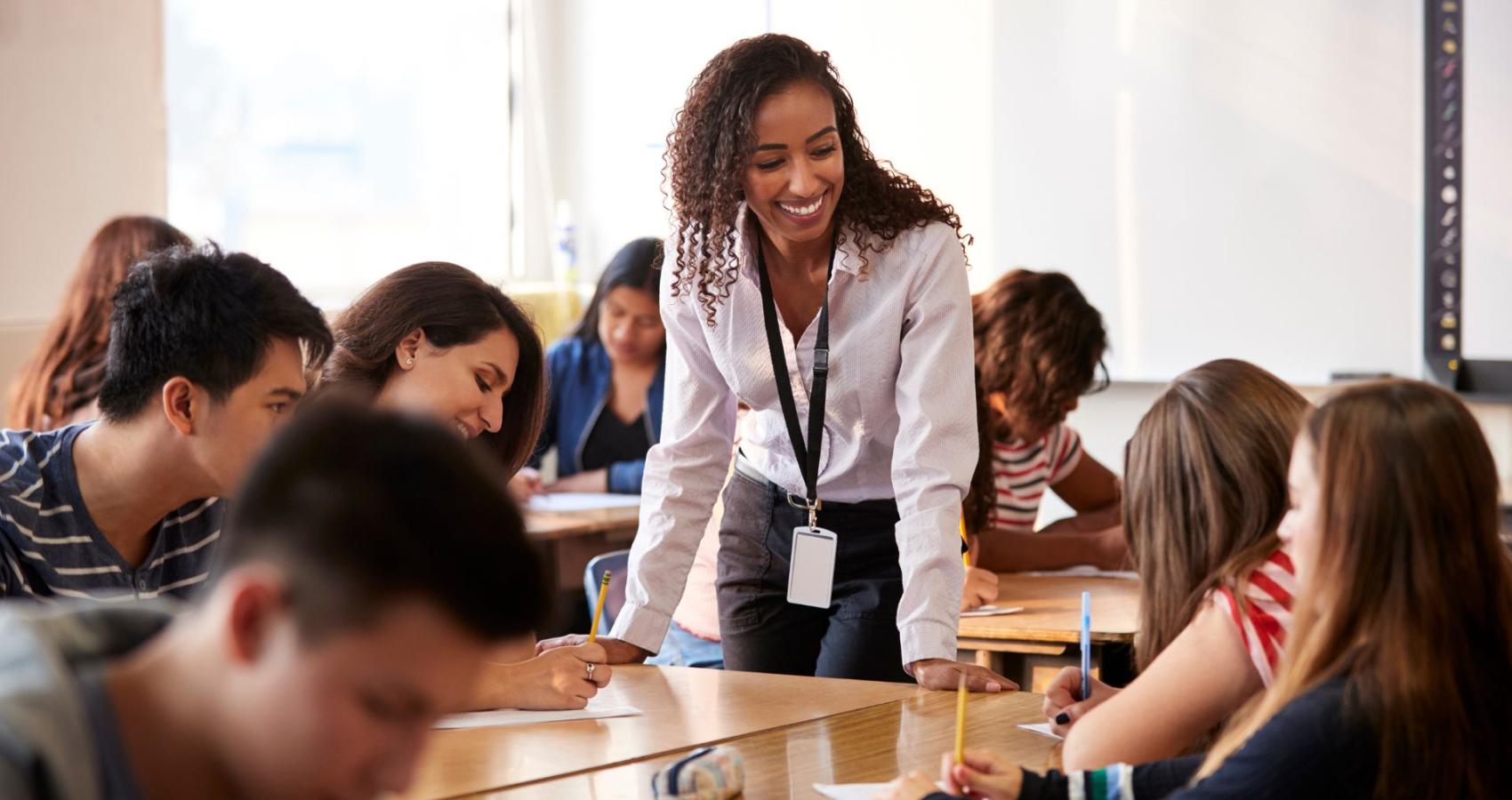
Building strong and positive relationships between secondary school students and Teachers is of utmost importance for creating a positive learning environment and improving academic performance. When students see their Teachers as approachable rather than someone who is trying to overrule them, they are more likely to participate in class, seek help when needed and take ownership of their learning.
However, we understand that creating these relationships isn't always easy as classroom dynamics and differences in opinions can create barriers. That’s why it is important for schools and Teachers to take steps to bridge these gaps.
From encouraging open communication to recognising achievements, we’re exploring how to encourage positive relationships between secondary school students and Teachers and why it is important to build such positive relationships.
Why is it important to encourage positive relationships between secondary school students and Teachers?
Encouraging a positive relationship between secondary school students and Teachers is important for creating a supportive learning environment. When students feel comfortable and they have a positive relationship with their Teachers, they are more likely to engage in classroom activities, effectively communicate with their Teachers and ask for help when needed, which can improve academic performance.
Not only do positive relationships help to improve academic performance but they also improve social and emotional development. Positive student-teacher relationships can also improve classroom behaviour by creating mutual respect, as when students feel comfortable with their Teachers they are more respectful, attentive and cooperative.
How to encourage positive relationships between secondary school students and Teachers
How to encourage positive relationships between secondary school students and Teachers:
- Encourage open communication.
- Create a supportive and inclusive learning environment.
- Emphasise the importance of mutual respect.
- Organise extracurricular activities.
- Implement mentorship programmes.
- Get to know your students.
- Make learning fun.
Encourage open communication
Encouraging open communication between students and Teachers helps to build trust and understanding which is essential for creating strong, positive relationships. Schools could implement regular feedback sessions where students and Teachers can discuss any concerns they have and work together to overcome these concerns.
Open communication also encourages students to ask questions in the classroom and seek help when needed without the fear of judgment. When Teachers openly communicate and listen to students, they demonstrate respect and build trust, which is important for creating positive relationships.
Create a supportive and inclusive learning environment
A supportive and inclusive secondary school environment is an important factor when looking to create positive relationships between secondary school students and Teachers.
Teachers should implement lessons that cater to different learning styles and tailor teaching strategies accordingly. Teachers should also create an environment where students feel comfortable expressing their thoughts because a supportive learning environment can reduce anxiety and stress.
A supportive learning environment can boost engagement, improve academic performance and help to build positive student-teacher relationships
Emphasise the importance of mutual respect
Schools should emphasise the importance of respect between secondary school students and Teachers to build positive relationships. Teachers should set clear expectations and model respectful behaviour in all interactions with students. Teachers should also treat all students fairly regardless of their background or abilities.
When students feel respected by their Teachers they are more likely to reciprocate the respect which can improve classroom behaviour.
Organise extracurricular activities
Organising extracurricular activities such as sports, clubs or arts and music programmes allow Teachers to get to know students on a more personal level beyond the classroom.
This gives Teachers and students the chance to build more meaningful relationships rather than students just seeing Teachers as an authority figure. With that being said, it is still important for Teachers to assert authority in the classroom.
Extracurricular activities also provide opportunities for students to develop social skills such as communication and teamwork which can help strengthen their relationships with Teachers as well as their peers.
Implement mentorship programs
Implementing mentorship programmes gives students the opportunity to seek academic and personal advice from Teachers who act as their role models. This one on one time also gives students and Teachers the opportunity to build on their relationship and can help students feel more comfortable talking about any struggles they may be facing.
Mentors can also identify learning gaps and provide personalised support which helps students feel valued and supported, strengthening their bond with Teachers.
Get to know your students
Getting to know your students is important for creating positive relationships. When Teachers take the time to really understand their students' strengths, interests and struggles it helps students feel valued and more comfortable in the classroom.
This can lead to improved behaviour, better participation from students and a stronger motivation to learn. A positive relationship between secondary school students and Teachers can make it easier to communicate and solve any issues that may arise.
Make learning fun
Making learning fun helps build positive relationships with secondary school students. When lessons are exciting and interactive, students are more comfortable, motivated and engaged in what they are learning.
Teachers can do this by using games and quizzes, making lessons more hands-on and providing children the opportunity to explore an outdoor classroom.
This makes learning something students want to be part of rather than them just having to sit and listen for hours. Students usually like Teachers who make learning enjoyable, which makes them more likely to participate in classroom activities, ask questions and build trust, leading to stronger relationships in the classroom.
How to manage conflict between secondary school students and Teachers
Managing conflict between secondary school students and Teachers can be challenging at times, however it is important that schools manage such conflicts effectively. Classroom conflicts can often arise from stress, misunderstandings, differences in expectations and hormones.
To manage conflict effectively, schools should acknowledge the conflict and understand the cause of it. This way schools can gauge whether it is a more serious issue or just one that has become something over nothing. Schools should listen to both sides of the conflict and create an effective plan to resolve the issue.
Teachers should also be trained to handle disputes calmly and professionally to ensure students feel heard while still maintaining discipline.
Education and SEND recruitment specialists
As specialist education recruiters, we support mainstream and SEND schools with teaching, support, senior leadership and facilities staff on a daily, temporary, temp-perm and permanent basis. If you're struggling to recruit the right talent, simply request a call back and one of our experienced recruiters will contact you to discuss how we can help.
Looking for your next job in education? Either search the latest jobs or upload your CV and one of our consultants will be in touch when a suitable opportunity arises.