
By Emma Dobson
In this blog, you will learn:
What a School Cook is.
What the responsibilities of a School Cook are.
What qualifications a School Cook needs.
What skills a School Cook needs.
Who employs a School Cook.
The average salary of a School Cook.
Where the latest School Cook jobs are and how to apply for them.
What is the role of a School Cook?
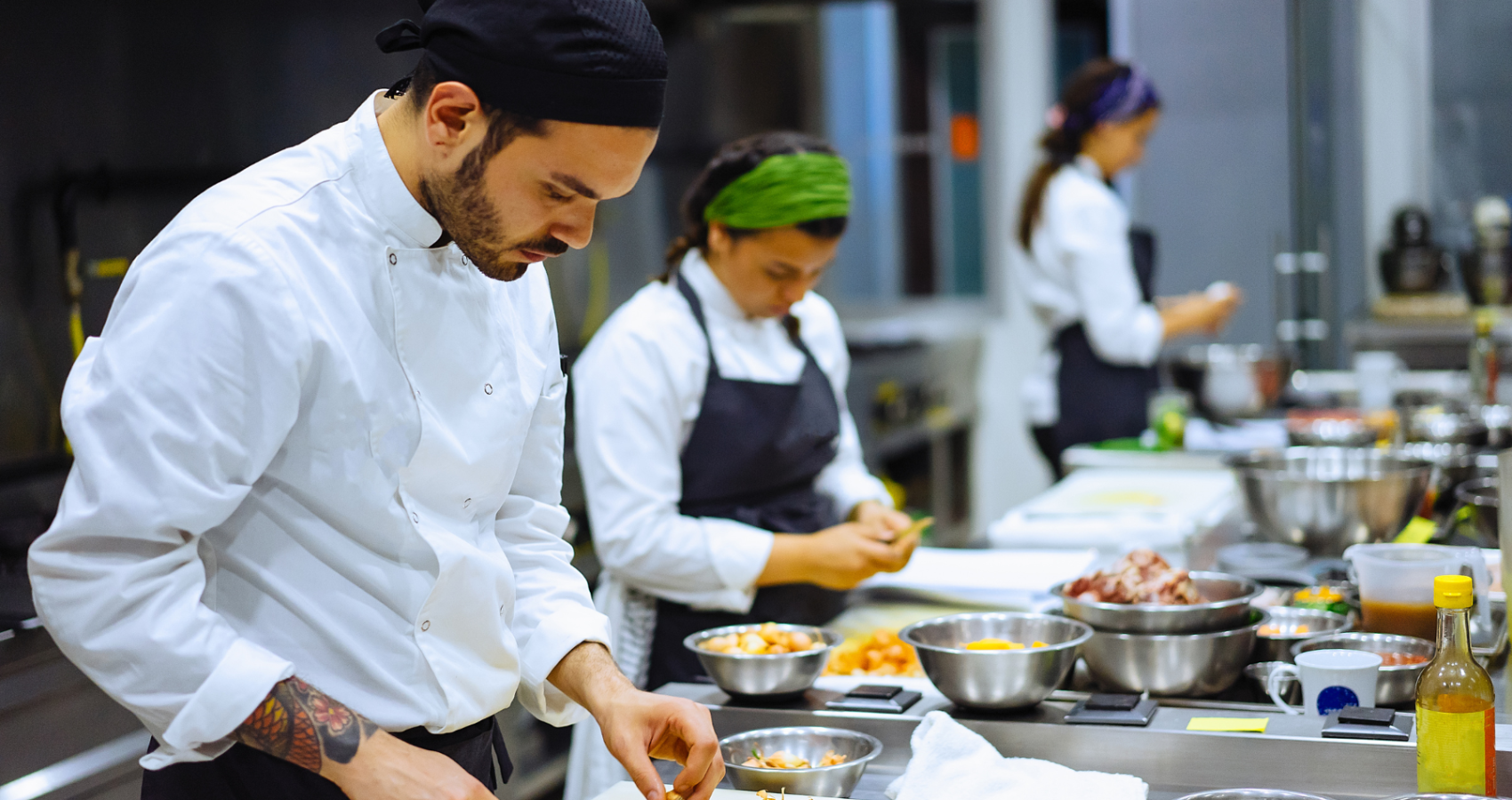
A School Cook is an essential staff member responsible for preparing and serving meals to students and staff within a school setting.
A School Cooks primary role is to ensure that nutritious and balanced meals are provided to promote the well-being and health of students. School Cooks typically work in the school's kitchen, where they plan menus, order ingredients and prepare meals according to dietary guidelines and food safety regulations.
They may also collaborate with nutritionists or dieticians to accommodate special dietary requirements or allergies.
What are the responsibilities of a School Cook?
While working as a School Cook, you will be required to:
Create menus that meet nutritional guidelines and cater to the dietary needs of students.
Prepare meals from scratch or use pre-prepared ingredients to cook and assemble meals.
Cook meals in bulk quantities, ensuring that they are cooked thoroughly and served at the appropriate temperature.
Monitor food supplies, maintain inventory records and place orders for ingredients, ensuring they have sufficient quantities to meet the planned menus.
Modify recipes or provide alternative options to accommodate students with specific dietary needs, such as allergies, intolerances or special diets.
Adhere to strict food safety regulations, maintaining cleanliness in the kitchen, proper storage of food and monitoring expiration dates.
Collaborate with other staff members, such as nutritionists, dieticians and school administrators, to ensure that meals meet nutritional standards and align with school policies.
Work within a designated budget for food supplies, finding cost-effective ingredients while maintaining quality.
Cater for special events or functions within the school, such as parent-teacher meetings or celebrations.
Ensure that the kitchen and cooking equipment are regularly cleaned and maintained to meet health and safety standards.
Minimise food waste by implementing strategies such as portion control, proper storage and creative use of leftovers.
Gather feedback from students, teachers and staff regarding the meals served and make necessary adjustments to improve menu offerings based on preferences and nutritional requirements.
In larger kitchens, school cooks may oversee a team of kitchen assistants or other staff members, assigning tasks, providing guidance and ensuring a smooth workflow.
Participate in professional development opportunities to enhance their culinary skills, stay updated on food safety regulations and learn about new cooking techniques or trends in school nutrition.
Communicate with parents or guardians regarding menu updates, special dietary accommodations and other relevant information through newsletters, websites, or direct correspondence.
What qualifications does a School Cook need?
While specific qualifications may vary depending on the school and its requirements, a School Cook typically needs a combination of culinary and food safety qualifications.
Certifications in food safety and hygiene, such as the Food Hygiene Certificate or Level 2 Food Safety qualification, are essential. Strong knowledge of nutrition, menu planning, portion control and allergy management is also beneficial.
Experience in quantity cooking, kitchen management, and a demonstrated ability to work in a fast-paced environment are often valued qualifications for a School Cook position in the UK.
Who employs a School Cook?
A School Cook is employed by the school or educational institution itself. The responsibility of hiring and employing School Cooks rests with the school administration, which may include the Headteacher, school board or governing body.
In some cases, schools may outsource catering services to external providers who then employ the school cook. These providers may be private catering companies or Local Authorities responsible for managing school meal services.
Regardless of whether the school cook is directly employed by the school or contracted through an external provider, their role is essential in ensuring the provision of nutritious meals to students and staff.
What skills does a School Cook need?
Key skills of a School Cook include:
Proficiency in food preparation, cooking techniques and knowledge of different cuisines is essential.
The ability to plan well-balanced menus, considering nutrition requirements, dietary restrictions and varying tastes of students because the school needs to provide food suitable for everyone.
Strong knowledge of food safety practices, including proper handling, storage, and sanitation to maintain a clean and safe kitchen environment.
Efficiently managing cooking times, multitasking, and prioritising tasks to ensure meals are prepared and served on schedule.
The capacity to adapt recipes and menus to accommodate dietary needs, allergies and changing circumstances.
Effective communication skills to collaborate with other kitchen staff, school administrators, suppliers and sometimes students or parents.
The ability to troubleshoot issues that arise in the kitchen, such as ingredient shortages, equipment malfunctions or menu adjustments.
Working collaboratively with other kitchen staff, demonstrating good interpersonal skills and the ability to work efficiently as part of a team to help the kitchen run more smoothly.
Strong organisational skills to manage inventory, order supplies and keep track of necessary records and paperwork.
Being able to handle the fast-paced and dynamic nature of a school kitchen and adapting to changes in schedules or meal plans.
Understanding different dietary restrictions and being able to accommodate them, such as vegetarian, vegan, gluten-free or lactose-free diets.
Bringing creativity and innovation to menu planning, introducing new dishes, incorporating seasonal ingredients, and finding ways to make meals visually appealing to students.
Being mindful of budget constraints and finding ways to maximise resources, minimise waste and make cost-effective ingredient choices without compromising on quality as this is key within a school.
Developing positive relationships with students, teachers and other school staff, as well as being approachable and responsive to feedback or concerns.
What is the average salary of a School Cook?
On average, a School Cook in the UK can expect to earn a salary range of approximately £21,000 to £25,000 per year.
However, this figure is an estimate and can vary based on various factors such as the size of the school and the number of meals prepared, the region or city where the school is located, and the level of experience and qualifications of the cook.